
Kale is the new superfood. In our household, kale has been a staple for several years because it is tasty, versatile, highly nutritious and very affordable. Also, it looked so beautiful and fresh in the grocery store, that we knew we had to make something with kale. So, we bought it, returned home, and started to read all the kale recipes that we could. As we were reading through a book titled, "The Book of Kale: The Easy-to-Grow Superfood, 80+ Recipes" we ran across several interesting recipes that we knew we could make in a short period of time without too many fancy ingredients. Hummus is one of those foods -- quick and easy to make. Well, here we are with a version that has kale added to it. It seemed to have some different ingredients for hummus, but delicious ones none the less.
The directions in this cookbook were pretty detailed. We understood the process of the recipe the entire way, because they did not leave us much room for questioning.

For this recipe, you will need:
1 1/2 cups kale
2 cloves garlic, with skin
1/4 cup frozen peas
1/6 cup almonds
2 TBSP peanut butter
1/2 teaspoon salt
1/2 teaspoon sugar
1/2 a lemon, juiced
1 cup chickpeas
1/8 cup oil
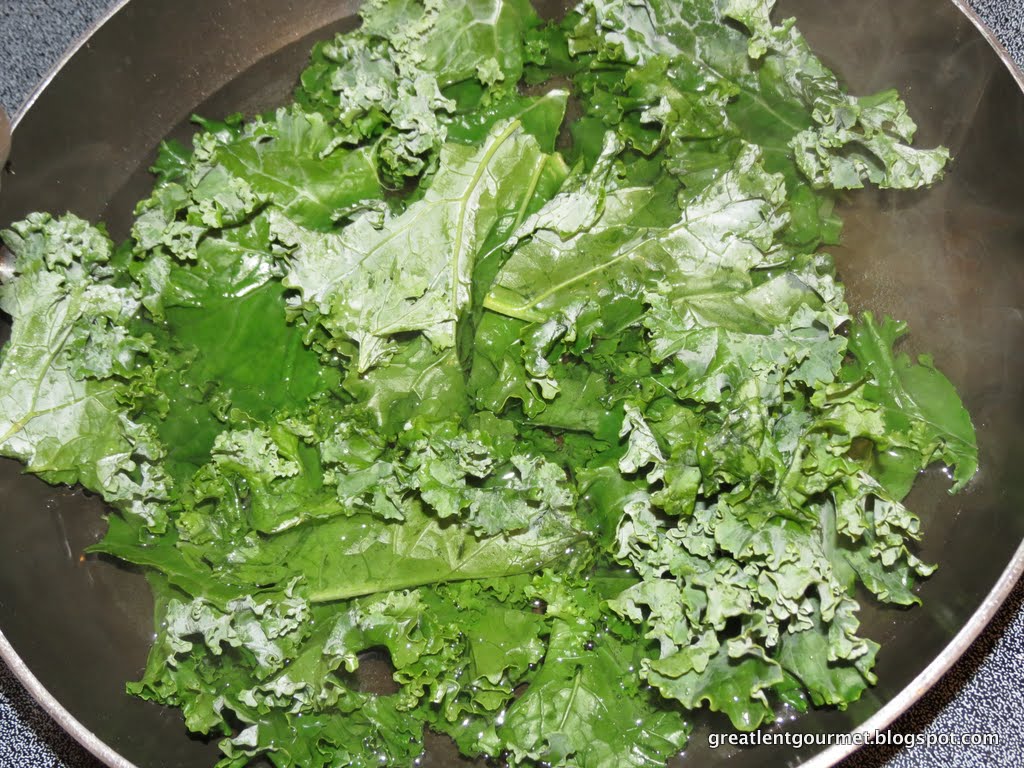
First, you have to cook the kale, You are just blanching it (cook in boiling water for a couple of minutes) enough to take the hard crunchiness out of it and make it wilt. You don't want to cook it more than 4 minutes, though, because then you may lose the bold green colour. Use a slotted spoon or spider or tongs to take the kale out of the boiling water, and then, put it in a colander to chill (shock) it. So, when the kale is done cooking, rinse it under cold water, but DO NOT discard the hot cooking liquid! You need it for the next step!



Now, in that same liquid where you had the kale cooking, drop in the garlic cloves. They are still in their skins, and that may seem weird, but it is like roasting garlic. You boil the garlic cloves whole; the clove itself does not get saturated with water, but it is surrounded with a layer of its own garlic juice. Let the garlic cook for about 2 minutes and then add the peas to the pot. When cooking the frozen peas, you must follow the same rule of cooking them long enough to be hot in the centre; just make sure they still have that beautiful pea-green colour shown in the photo below.

At this point, you may notice that the cooking liquid is taking on a colour all its own. That's okay, because we are going to use some of this liquid in the hummus. The reassuring point is that this cooking liquid now has some of the nutrients from the kale, the flavour from the garlic, and the benefits from the peas, so it is a good liquid to have. When you are draining the peas and garlic, pull the garlic cloves out first, then, drain the peas while reserving about 1/4 cup of the cooking liquid. You can discard the rest.

Now, using a dry pan, toast the almonds. Put the burner on high heat, get the pan nice and hot, then toss the almonds around a bit until they get some colour. It is difficult to see the colour change until they are almost burnt; the goal is to add a little colour to the almonds and make them warm.


Peel the garlic cloves. You can just squeeze the clove at the base and the clove will ooze right out of the skin. If only that worked for raw garlic...

Put all your cooked ingredients into the food processor. That is, put the kale, the peas, the almonds, and the garlic into the food processor and run the pulse function until everything is blended really well.


Now, add the chickpeas, peanut butter, salt, sugar, and lemon juice, and pulse some more. Get the mixture nice and smooth and well combined.


Next, slowly add the oil. We poured ours through the feed tube of the food processor, and rapidly and repeatedly pressed the pulse button.


Once the oil is fully mixed into the hummus, pour in the reserved cooking liquid. You may not need all of it, or you may need a little more of it. But, you should pour slowly through the feed tube again to help you determine how much you need. If you have discarded the rest of the liquid, then just use water. Add enough to get the consistency you want.


Let the hummus sit for about 30 minutes in the fridge before serving. Hummus does taste better when it is between cold and room temperature instead of hot from the cooked ingredients!

For us, we thought the garlic was mild. And even though garlic will get a stronger flavour when hummus sits for a while, this was still very mild for us. We ended up adding more garlic and a little more lemon at the end. Even without the additions, it was still nice tasting. Surprisingly, the book stated that "Hummus is just calling out to have kale added to it..." and we now understand and agree with that.
The most interesting part about this hummus, besides the colour, was the texture of the almonds. They really left us with a good mouth feel. Perhaps crunchy peanut butter would have contributed here, too. The cookbook claimed that we could use other nut butters, and in the future we might. We could clearly taste the peanut butter, and that was a little unusual at first, but then we realized that is was similar to being able to taste the tahini in a traditional hummus. Really, after the second or third taste, the shock of the peanut butter disappeared, and just seemed to work quite well in this recipe.
We enjoyed out kale hummus adventure. We know that we will make this again, and we will definitely serve it to guests. It is an interesting conversation piece and an interesting dish.
"It is better to hear the rebuke of a wise man
Than for a man to hear the song of senseless men."
Book of Ecclesiastes: Chapter 7:5


